
Website Audit Service from Best SEO Expert Sumiya Fariha in Bangladesh
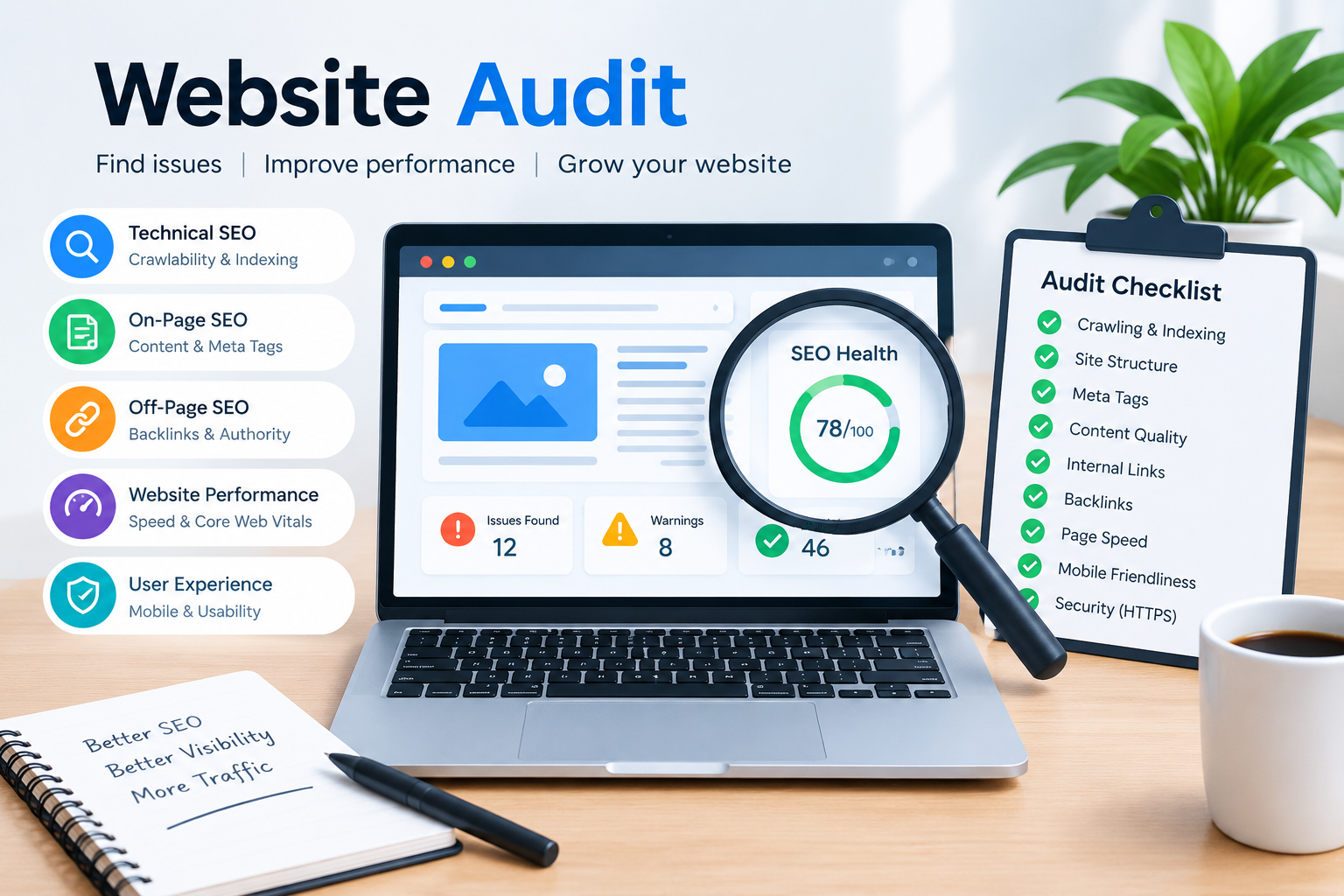
A website can look beautiful and still struggle to attract visitors, generate leads, or appear prominently in Google Search. That is why a professional website audit is more than simply checking whether your pages are working. It is a detailed examination of your website’s technical health, content quality, on-page SEO, user experience, links, indexing, and overall search visibility. As Sumiya Fariha, an SEO expert in Bangladesh, I use website auditing to identify the issues that may be holding a website back and turn those findings into practical SEO recommendations. A good audit should answer important questions. Are your important pages easy for search engines to crawl?Are your pages indexed correctly? Are your titles and headings clear and easy to understand? Does your content satisfy search intent? Do your internal links help users and search engines find their way around your site? These questions matter because SEO is not based on one single factor. It is more like maintaining a complete building: if the foundation, structure, navigation, or electrical system has a problem, improving the decoration alone will not solve everything.Google's current documentation continues to emphasize making websites accessible to search engines and users, while its Search policies also warn against manipulative practices and low-value content. My approach therefore focuses on finding genuine opportunities for improvement rather than making unrealistic ranking promises.
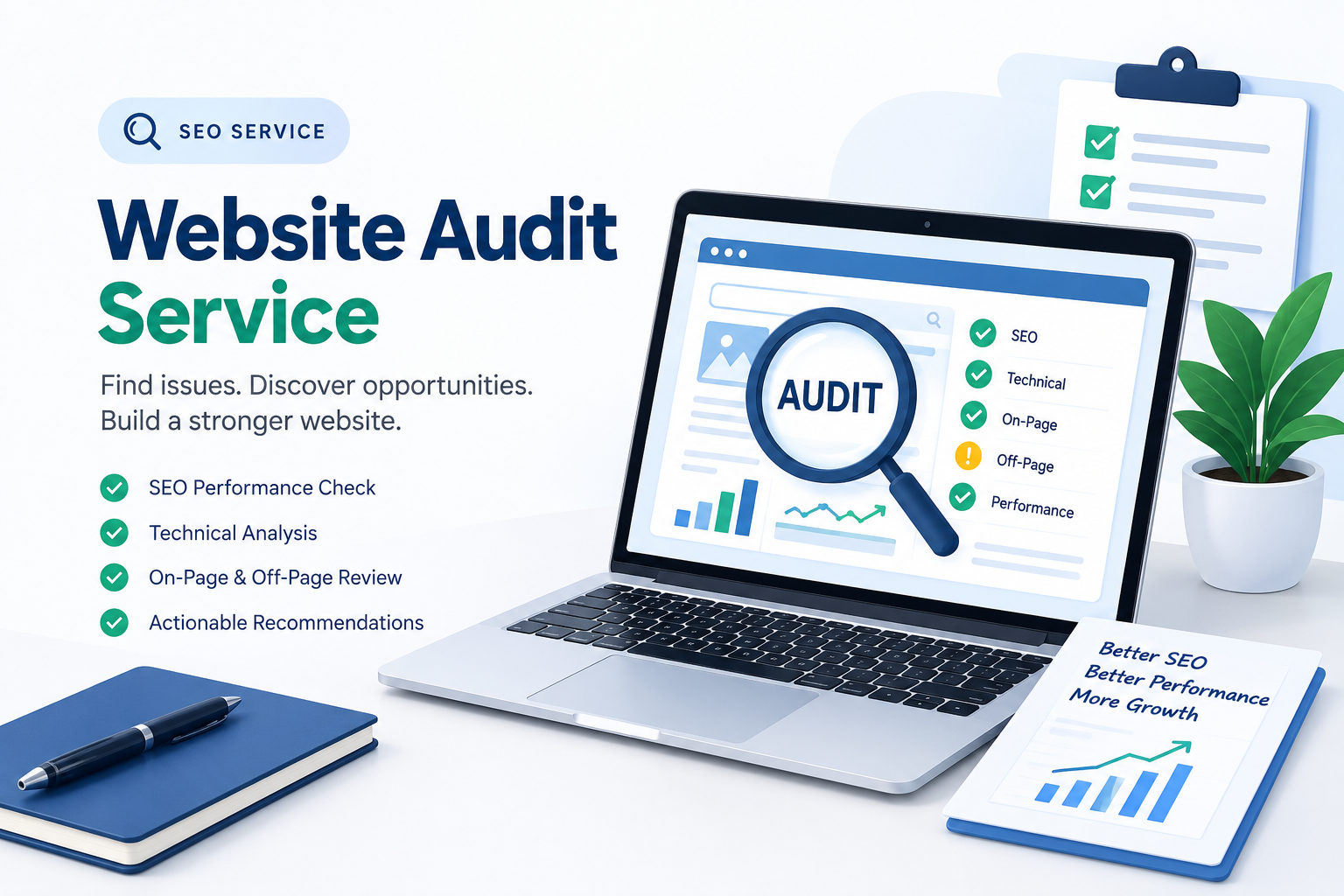
What Is a Website Audit Service?
A website audit is basically a quick checkup of your site to see how it’s doing with SEO and overall performance. It helps you spot what’s working, what needs fixing, and where you can improve. Just as a doctor does not look at only one symptom before understanding a patient's overall condition, an SEO professional should not judge a website by rankings alone. A proper audit examines multiple areas, including technical SEO, on-page optimization, content quality, internal links, indexing, website structure, mobile usability, page performance, and other factors that influence organic search visibility.When I provide a Website Audit Service from best SEO expert Sumiya Fariha, I focus on finding problems that can affect both search engines and real users. A page may have excellent content, for example, but if search engines cannot properly crawl or index it, that content may struggle to reach its intended audience. Google’s current documentation explains that URL Inspection can show whether a page is indexed, whether crawling is allowed, whether indexing is permitted, and which canonical URL Google selected.
How a Website Audit Helps Your Business Grow
An audit helps you spot what’s going well and what could be improved. You may have good products, useful services, and valuable content, but technical problems or weak optimization can prevent potential customers from discovering you. Sometimes the problem is obvious, such as broken pages or extremely slow loading. In other cases, it is less visible, such as poor internal linking, duplicate page signals, weak metadata, incorrect indexing directives, or content that does not match what users are searching for.For small businesses, startups, freelancers, and growing brands in Bangladesh, understanding these problems can be especially important because every organic visitor can represent a potential customer. Instead of randomly changing keywords or publishing more articles, an audit helps establish a starting point. It shows what is working, what needs attention, and which improvements should be prioritized first.
Technical SEO forms an important part of my audit because search engines need to access, crawl, understand, and index your website properly. I check areas such as crawlability, indexation, XML sitemaps, robots.txt directives, canonical signals, redirects, broken links, page status codes, mobile usability, and other technical elements that can influence how search engines interpret a site.I do not treat every technical warning as equally important. An audit should distinguish between critical problems and minor recommendations. For example, a blocked page that should appear in Google can deserve immediate attention, while a less significant technical recommendation may be handled later. This prioritization helps business owners spend their time and resources where they can create the most meaningful improvement.
On-page SEO is another major part of a professional website audit. I review titles, meta descriptions, headings, keyword targeting, content structure, internal links, image optimization, URL structure, and the relationship between a page and its target search intent. The goal is not to insert keywords repeatedly. Instead, the goal is to make each page clear, useful, relevant, and easy to understand.A strong page should communicate its subject naturally to both people and search engines. If a service page targets an audience looking for professional SEO services, for example, the page should clearly explain the service, demonstrate knowledge, address customer concerns, and make the next step easy. This creates a stronger connection between search intent, content, user experience, and business goals.
What My Website Audit Service Includes
My website audit service is designed to provide a complete SEO health check rather than focusing on one isolated issue. Depending on the website, I can review technical SEO, on-page optimization, content quality, internal linking, backlinks, competitor performance, local SEO, mobile experience, and other areas that may influence organic visibility.The exact audit priorities depend on the website's current condition and business objectives. An e-commerce website may require greater attention to product pages, categories, indexation, and structured data, while a local service business may need stronger local signals and location-focused optimization. A blog may need a deeper content and internal-linking review. This is why I believe an effective audit should be customized rather than based on a one-size-fits-all checklist.
During a technical SEO review, I investigate whether search engines can efficiently access and understand the important parts of your website. This can include checking crawl paths, indexing signals, redirects, canonical URLs, XML sitemaps, robots.txt, broken links, HTTPS, mobile accessibility, page performance, and other technical factors.Structured data can also be reviewed where relevant. Google explains that structured data can help it understand page content and may support certain search features, although structured data does not guarantee that a rich result will appear. I therefore treat structured data as part of a broader SEO strategy rather than a shortcut to rankings.
Great SEO content should answer the question behind the search. If someone searches for a particular service, they may want pricing, benefits, process information, examples, trust signals, or a way to contact a provider. If your page answers a completely different question, even excellent writing may fail to satisfy the visitor.My content audit looks at relevance, usefulness, topical coverage, readability, keyword alignment, headings, duplication, thin sections, outdated information, and search intent. I also look for opportunities where content can demonstrate first-hand experience, practical knowledge, and genuine expertise instead of simply repeating information that already exists everywhere online.
Backlinks can contribute to a website's authority, but quality matters more than blindly collecting large numbers of links. My off-page audit examines the overall backlink profile, referring domains, potentially harmful patterns, anchor text distribution, relevance, and opportunities for building a stronger authority profile.The objective is not to create artificial links simply for the sake of increasing numbers. Google's spam policies specifically address manipulative practices designed to influence search visibility. A sustainable SEO strategy should focus on earning relevant, trustworthy signals and creating content or resources that people have a genuine reason to reference.
My E-E-A-T Approach to Website Auditing
Experience, Expertise, Authoritativeness, and Trustworthiness these four elements are combinedly goes for EEAT . I use these principles as a practical framework when evaluating whether a website gives visitors enough reason to trust its information, services, products, or recommendations. For a service business, trust is particularly important. Visitors want to know who is providing the service, what the provider understands, how the process works, and whether the business communicates honestly. A website should be built around valuable content, not just keywords. It should make the business feel real, knowledgeable, transparent, and helpful.
Experience means demonstrating genuine knowledge of the subject through useful, practical information. For SEO service websites, that can include explaining how audits work, discussing common technical issues, showing examples of recommendations, explaining realistic expectations, and providing useful insights based on actual SEO workflows.As an SEO professional, I aim to make audit recommendations understandable to business owners instead of filling reports with technical terminology that creates confusion. If I identify an issue, I want the client to understand what it means, why it matters, and what action can be taken. That practical communication is an important part of delivering a valuable audit.
Expertise is demonstrated through accurate and useful knowledge. Authority grows when a website consistently provides valuable information and establishes its professional identity. Trust is strengthened through transparent communication, accurate claims, clear contact information, honest expectations, and content that puts the user first.These principles also align with Google's broader emphasis on useful, reliable content and its efforts to reduce manipulative search practices. Google's current policies warn against scaled content created primarily to manipulate rankings rather than help users. For that reason, I focus on meaningful recommendations rather than producing a report filled with unnecessary observations.
How I Audit Website Speed and Core Web Vitals
Website performance affects how people experience a site. A visitor who encounters slow-loading pages, unstable layouts, or poor responsiveness may leave before engaging with the content. During an audit, I therefore look at performance-related areas and identify opportunities to make the website faster, more stable, and easier to use.Core Web Vitals can provide useful performance signals, but performance should not be considered separately from the rest of the website. Improving speed is valuable, yet a fast website with poor content, confusing navigation, or technical indexing problems can still struggle. My approach is to consider performance as one component of a larger SEO and user-experience strategy.
How I Check Crawling and Indexing Issues
Organic visibility starts with making sure search engines can discover and process your pages. My audit checks whether important pages are accessible to crawlers and whether there are signals that could prevent appropriate indexing.I review areas such as robots.txt, noindex directives, canonicalization, XML sitemaps, redirects, internal links, and page accessibility. Google's documentation recommends checking that important pages are accessible and not unintentionally blocked by robots.txt, noindex directives, or authentication barriers when validating search-related implementations.This part of an audit can reveal situations where a website owner believes a page is available to Google while technical signals are telling search engines something different.
My on-page SEO audit evaluates how effectively each important page communicates its purpose. I review title tags, meta descriptions, headings, keyword placement, content organization, URLs, internal links, images, and relevance to the intended audience.I also consider whether the page genuinely answers the user's needs. Keywords should fit naturally into the content instead of controlling it. For example, if the target phrase is website audit service, the page should naturally explain what a website audit is, what it includes, who needs it, what the process looks like, and what a client can expect.This approach helps prevent keyword stuffing and keeps the content natural. The objective is to create a page that makes sense even if the reader never thinks about SEO.
A website does not compete in isolation. Your competitors may have stronger content, better internal linking, more authoritative backlinks, clearer service pages, or a better local presence. A competitor SEO analysis can reveal these gaps and help identify realistic opportunities.I look at competing pages from a strategic perspective rather than simply copying what competitors are doing. Which topics do they cover? What questions do their pages answer? Where are their weaknesses? Are there useful topics they have missed? Could your business provide a more practical, detailed, trustworthy, or locally relevant resource?The goal is to understand the search landscape and identify ways to make your website stand out.
For businesses targeting customers in Bangladesh, local SEO can be an important part of website performance. I can review location information, contact details, business information, location-focused content, internal links, and other signals relevant to local visibility.Customers need clear and consistent information about who the business is, where it operates, and how to get in touch. A local business website should also provide genuinely useful information rather than creating repetitive location pages simply to target multiple place names.For businesses serving Dhaka or other Bangladeshi locations, the audit can be tailored around the actual service area and customer behavior.
My Website Audit Process
My audit process is designed to move from discovery to diagnosis and then to practical recommendations. I first understand the website, business model, target audience, services, and SEO goals. I then examine the website's technical and content environment to identify problems and opportunities.After collecting the findings, I organize them according to importance. This makes the final recommendations easier to understand because the client can see which issues deserve immediate attention and which improvements can be handled later.
A website audit should not end with a long list of errors. The real value comes from understanding what to do next. My recommendations explain the issue, its potential impact, and the suggested action in practical language.For example, instead of simply saying "fix canonical tags," a useful recommendation should explain which pages have conflicting canonical signals, why the signals matter, and what should be reviewed before making changes. This makes the audit more useful for developers, content teams, business owners, and marketers.
Why Choose Website Audit Service from Best SEO Expert Sumiya Fariha in Bangladesh

Choosing an SEO professional is about more than selecting someone who knows SEO terminology. You need someone who can look at your website from multiple perspectives and turn technical findings into understandable business recommendations.As Sumiya Fariha, I focus on combining technical SEO, on-page SEO, content analysis, competitor research, keyword research, and practical website evaluation. My goal is not to promise instant rankings. Instead, I focus on finding the weaknesses that may be limiting your website and identifying realistic ways to strengthen its overall SEO foundation.A professional website audit service from best SEO expert Sumiya Fariha in Bangladesh can be useful for businesses that are launching a new website, experiencing stagnant organic traffic, planning an SEO campaign, redesigning a website, or simply wanting to understand their current SEO health.The most useful audit is one that gives you clarity. You should finish the process knowing what is wrong, what is already working, what should be prioritized, and what steps can move the website forward.
A website audit looks beyond basic SEO checks to understand the bigger picture. It is a strategic review of how well your website works for users, search engines, and your business goals. From technical SEO and crawling to content, search intent, internal links, backlinks, performance, competitors, and local SEO, each area can contribute to the overall health of your website.As Sumiya Fariha, an SEO expert in Bangladesh, my approach is centered on practical analysis, clear communication, and long-term SEO improvement. I believe a strong audit should uncover real problems without creating unnecessary confusion, while also identifying opportunities that can help a business build a stronger online presence.Google continues to update Search systems and documentation, so SEO should not be treated as a one-time activity. A professional audit gives you a useful foundation for making informed decisions and improving your website step by step.
1. What is a website audit service?
A website audit service is a detailed evaluation of a website's SEO, technical structure, content, performance, links, indexing, and user experience. It reveals areas that could be limiting your organic visibility while also uncovering opportunities for improvement.
2. Why Should My Business Invest in a Professional Website Audit?
A professional audit can reveal problems that are difficult to identify through a normal website review. It can help uncover technical SEO issues, weak content, indexing problems, poor internal linking, performance concerns, and missed optimization opportunities.
3. Does a website audit guarantee higher Google rankings?
Professional SEO practitioners understand that Google rankings cannot be guaranteed. An audit identifies issues and opportunities, but ranking outcomes depend on many factors, including competition, website quality, content, authority, search intent, technical health, and ongoing optimization.
4. How frequently should my website be reviewed?
There’s no one-size-fits-all schedule—the right audit frequency depends on your website’s size and complexity. A major website redesign, migration, traffic drop, technical change, or significant SEO strategy update can justify an audit. Regular reviews can also help identify new issues before they become larger problems.
5. Why choose Sumiya Fariha for website audit services in Bangladesh?
I focus on practical SEO analysis across technical SEO, on-page SEO, content, keyword research, competitor analysis, and website performance. My goal is to provide clear, actionable recommendations that help businesses understand their SEO weaknesses and build a stronger long-term search strategy.